Sgt. Pepper's Lonely Hearts Club Band
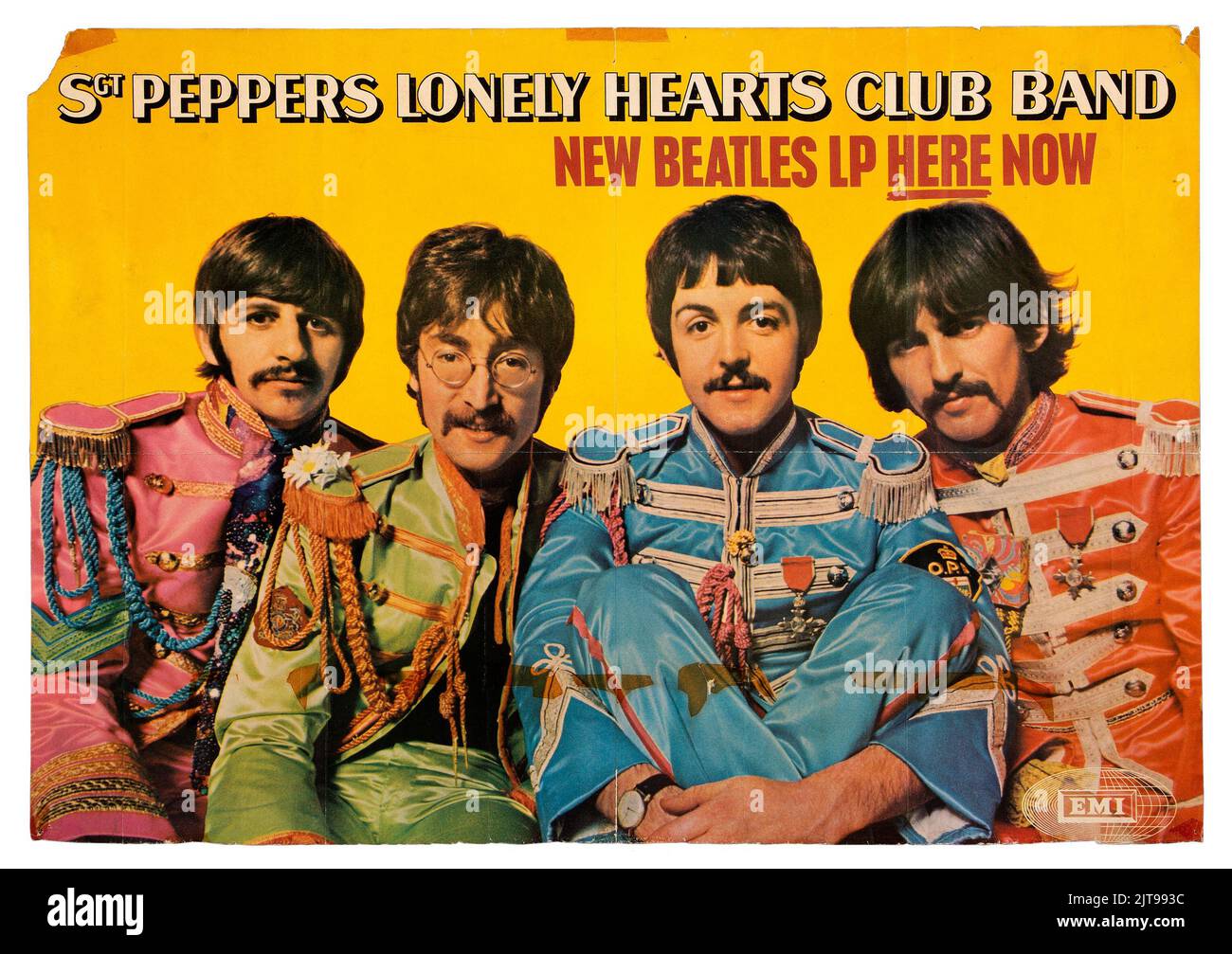
Few albums in recorded history arrive as a single, undeniable event, and Sgt. Pepper's Lonely Hearts Club Band is precisely that kind of cultural earthquake.
The Birth of a Concept: From Pop Songs to a Cohesive Album
Before Sgt. Pepper's Lonely Hearts Club Band became a touchstone of innovation, the Beatles were primarily known as masters of concise pop songwriting. However, with the psychedelic exploration of tracks like "Tomorrow Never Knows," they began to see the album as more than just a collection of singles. The idea for a conceptual album emerged from Paul McCartney's imagined band, a fictional group that would provide a loose thematic structure for the recording sessions. This "concept" allowed the group to step outside the usual constraints of pop music and treat the studio itself as an instrument, creating a seamless listening experience rather than a series of separate tracks.
The decision to adopt alter egos was a pivotal moment in the album's creation. By becoming the Sgt. Pepper band, the Beatles felt liberated from the expectations of their previous work and the pressures of performing live. This freedom is audible in the arrangements, which range from the orchestral crescendo of "A Day in the Life" to the music hall charm of "When I'm Sixty-Four." The album abandoned the standard verse-chorus formulas of their earlier work in favor of more fluid song structures, seamless transitions, and a dense layering of sounds that had never been heard before on a pop record.
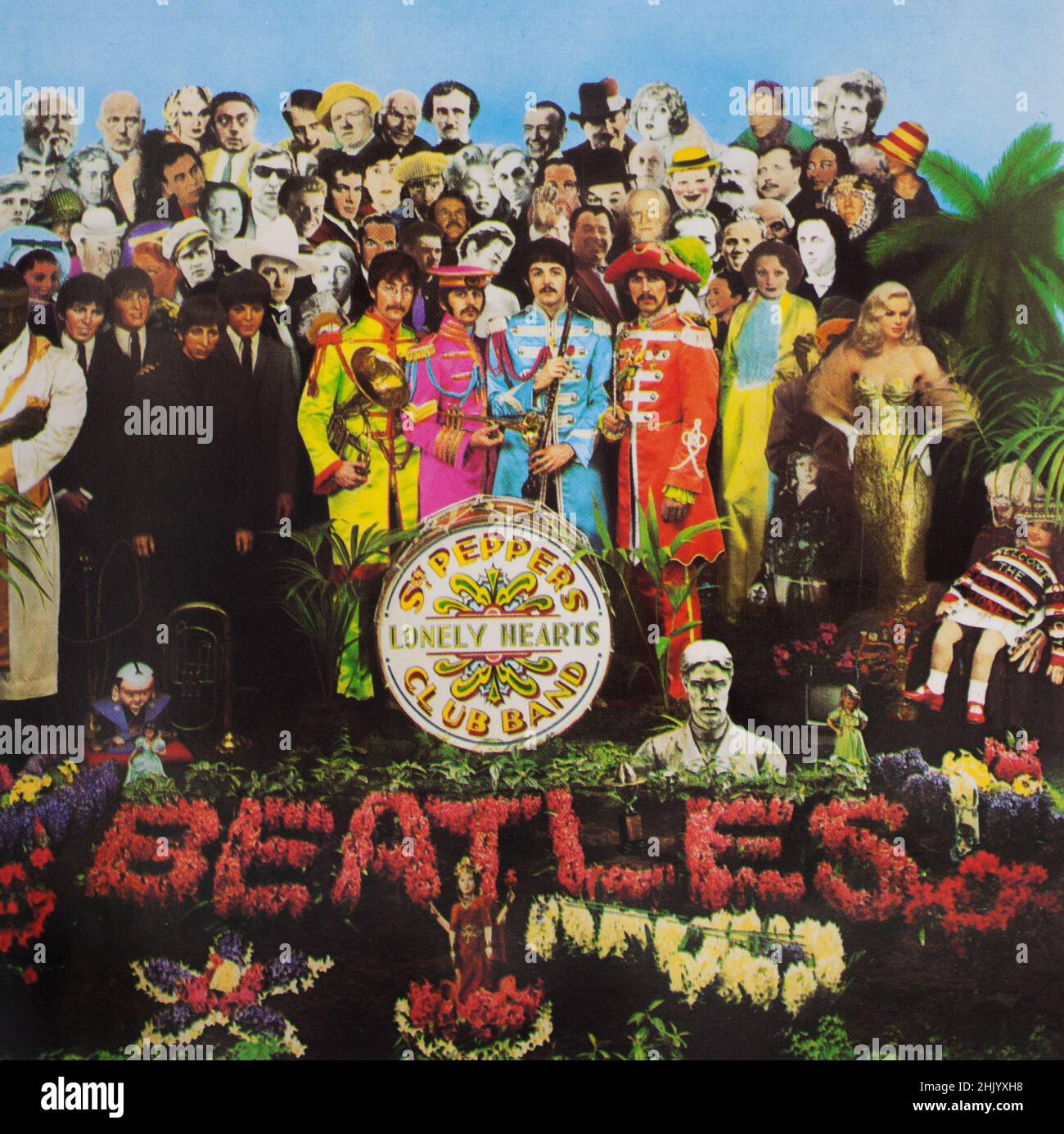
Revolutionary Production Techniques That Changed Music Forever
The production of Sgt. Pepper's Lonely Hearts Club Band was nothing short of revolutionary for 1967. Working primarily in Abbey Road Studios, George Martin and the Beatles pushed the boundaries of what was technically possible with analog recording. They employed techniques such as automatic double tracking (ADT), which created the lush, chorused vocal sound that defined the album's texture without the need for tedious manual double-tracking. The use of varispeed, where the tape speed was altered slightly during recording or playback, allowed them to shift the pitch and timbre of instruments, contributing to the album's distinctive, slightly otherworldly sonic palette.
Perhaps the most significant innovation was the concept of the "total recording," where the studio became the final instrument. The Beatles and Martin experimented with tape loops, reversed sounds, and elaborate splicing to create the avant-garde soundscapes that open the album and weave through its grooves. Tracks like "Lucy in the Sky with Diamonds" and "I Am the Walrus" are less songs and more collages of sound, built from meticulously edited pieces of tape. This approach influenced generations of producers and musicians, establishing the album as a singular work of art rather than a mere vehicle for hit singles.
- Advanced use of multi-track recording to layer complex harmonies and instrumentation.
- Integration of non-musical sounds, such as orchestral swells and tape loops, into the musical narrative.
- Seamless transitions between tracks, eliminating silence to create a continuous listening journey.
An Iconic Cover That Redefined Album Art
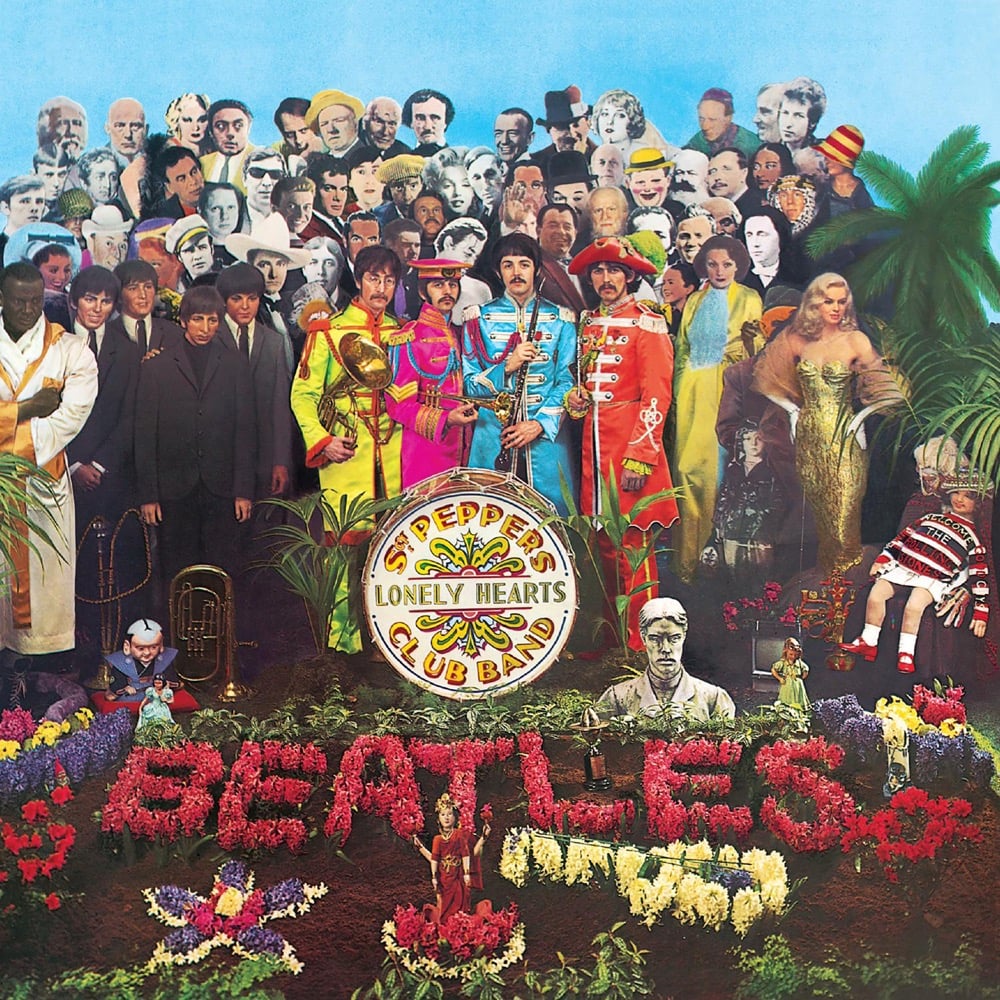
Visual presentation was an integral part of the Sgt. Pepper's Lonely Hearts Club Band experience, and the cover art remains one of the most recognizable images in pop culture. Designed by British pop artists Peter Blake and Jann Haworth, the collage features the Beatles in military uniforms surrounded by a dazzling array of life-sized cardboard cutouts of celebrities, historical figures, and cultural icons. From Marilyn Monroe and Karl Marx to Laurel and Hardy, the cover is a who's who of the 20th century, reflecting the band's eclectic tastes and the album's central theme of performance and identity.
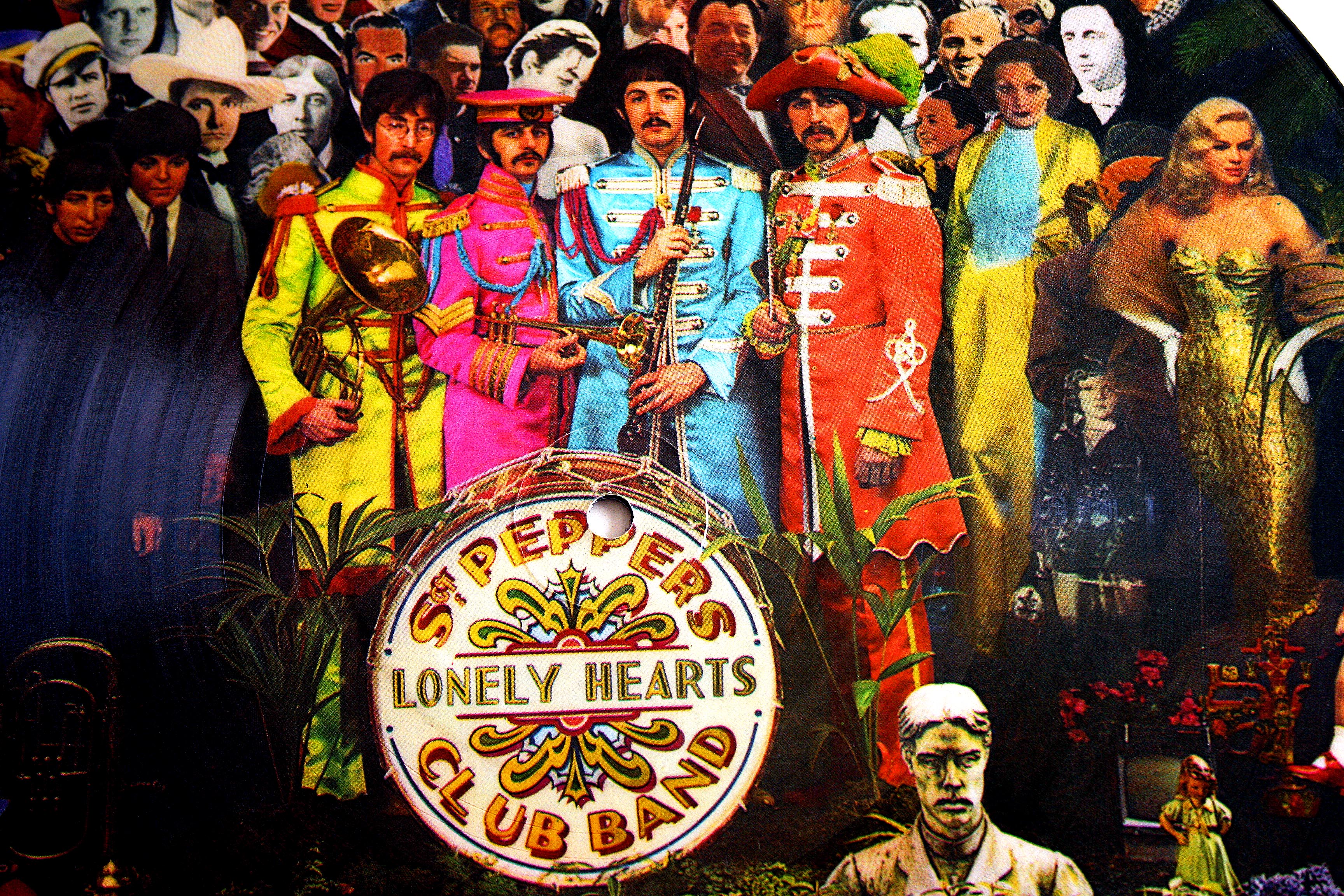
The detail and ambition of the packaging were unprecedented, elevating the album to a complete artistic statement. The cutouts were carefully chosen and arranged, creating a visual puzzle that invites the viewer to explore and interpret. The iconic image of the four band members standing before a crowd of "Famous Figures" cemented the idea of the album as a curated exhibition of personality and wit. This level of visual storytelling set a new standard for album covers, proving that the physical presentation could be just as important as the music contained within.
Lyrical Themes of Identity, Fantasy, and Reflection
Lyrically, Sgt. Pepper's Lonely Hearts Club Band traverses a wide emotional and intellectual landscape, moving from the playful escapism of the title track to the profound philosophical meditations of "A Day in the Life." The recurring theme of performance and alter ego allows the band to explore different facets of their own personalities and comment on the nature of fame and creativity. Songs like "With a Little Help from My Friends" offer messages of community and support, while "Fixing a Hole" delve into personal insecurities and the need for self-expression.
The album also contains moments of surreal whimsy and social observation that are uniquely Lennon-McCartney. "She's Leaving Home" tells a poignant story of generational disconnect, and "Being for the Benefit of Mr. Kite!" bursts with a chaotic, carnival-like energy derived from a forgotten 19th-century circus poster. This lyrical diversity ensures that the record resonates on multiple levels, functioning simultaneously as a danceable pop album, a counterculture manifesto, and a deeply personal diary of its creators' inner lives.

Enduring Legacy and Cultural Resonance
More than fifty years after its release, the influence of Sgt. Pepper's Lonely Hearts Club Band continues to reverberate throughout the music industry. It is frequently cited as the greatest album of all time for good reason: it fundamentally changed the way artists approach recording and listening. The album's ambition demonstrated that popular music could be intellectually stimulating, emotionally complex, and sonically adventurous all at once. Its DNA can be found in everything from progressive rock to hip-hop, where the concept of the "album as art" remains a dominant ideal.
The record's impact extends beyond music into fashion, graphic design, and broader popular culture, solidifying the Beatles' status as true innovators. It remains a benchmark for artistic achievement, a testament to what happens when extraordinary talent is combined with the freedom to experiment without limits. Listening to it today is not merely an act of hearing music; it is an opportunity to witness the moment when rock and roll grew up and became something truly timeless.
Ultimately, Sgt. Pepper's Lonely Hearts Club Band stands as a monumental achievement that continues to inspire and amaze. It is a record that rewards deep listening, revealing new details and textures with every spin, proving that true artistry only grows richer with time.
Sgt. Pepper's Lonely Hearts Club Band (Remastered 2009)
Provided to YouTube by Universal Music Group Sgt. Pepper's Lonely Hearts Club Band (Remastered 2009) · The Beatles Sgt.
