Sgt Pepper's Lonely Hearts Club
The Birth of a Concept
Before Sgt Pepper's Lonely Hearts Club Band became a cultural touchstone, it began as an idea to escape the constraints of typical pop singles. The Beatles were eager to move beyond the limitations of live performance recordings and explore the studio as an instrument in its own right. They imagined a fictional band that would allow them to adopt new personas and musical identities, giving each track a distinct character while maintaining a cohesive narrative thread. This conceptual framework turned the album into a journey, where each song contributes to a larger, imaginative experience rather than a mere collection of hits.
The decision to present the work as a stage act by the Lonely Hearts Club Band provided a playful yet sophisticated structure. It allowed the group to experiment with a wide range of styles, from music hall pastiches to avant garde soundscapes, without being confined to a single genre. By framing the record as a performance, the Beatles created a sense of theatricality that invited listeners to suspend disbelief and immerse themselves fully in the narrative. This bold approach helped redefine what a popular album could be, emphasizing artistic vision alongside commercial appeal.
Studio Innovation and Musical Experimentation
The recording sessions for Sgt Pepper's Lonely Hearts Club Band became legendary for their relentless pursuit of new sounds and techniques. The Beatles and their producer, George Martin, pushed the boundaries of multitrack recording, tape loops, and unconventional instrumentation to create a rich, layered sonic palette. Songs like "Within You Without You" incorporated Indian instruments and modal melodies, while "A Day in the Life" blended orchestral swells with avant garde vocal treatments. The result was a record that sounded unlike anything that had come before, constantly surprising listeners with its inventiveness.
- Use of tape reversal and varispeed to alter textures and tones.
- Integration of classical musicians and diverse cultural influences.
- Innovative arrangements that blurred the line between pop and art music.
These experiments were not mere technical tricks; they served the emotional and narrative core of the album. The studio became a playground where ideas could be tested, merged, and transformed, giving each track a unique sonic identity. The meticulous attention to detail ensured that even the smallest sounds contributed to the overall atmosphere, making the listening experience both intimate and epic.
The Iconic Cover and Cultural Impact
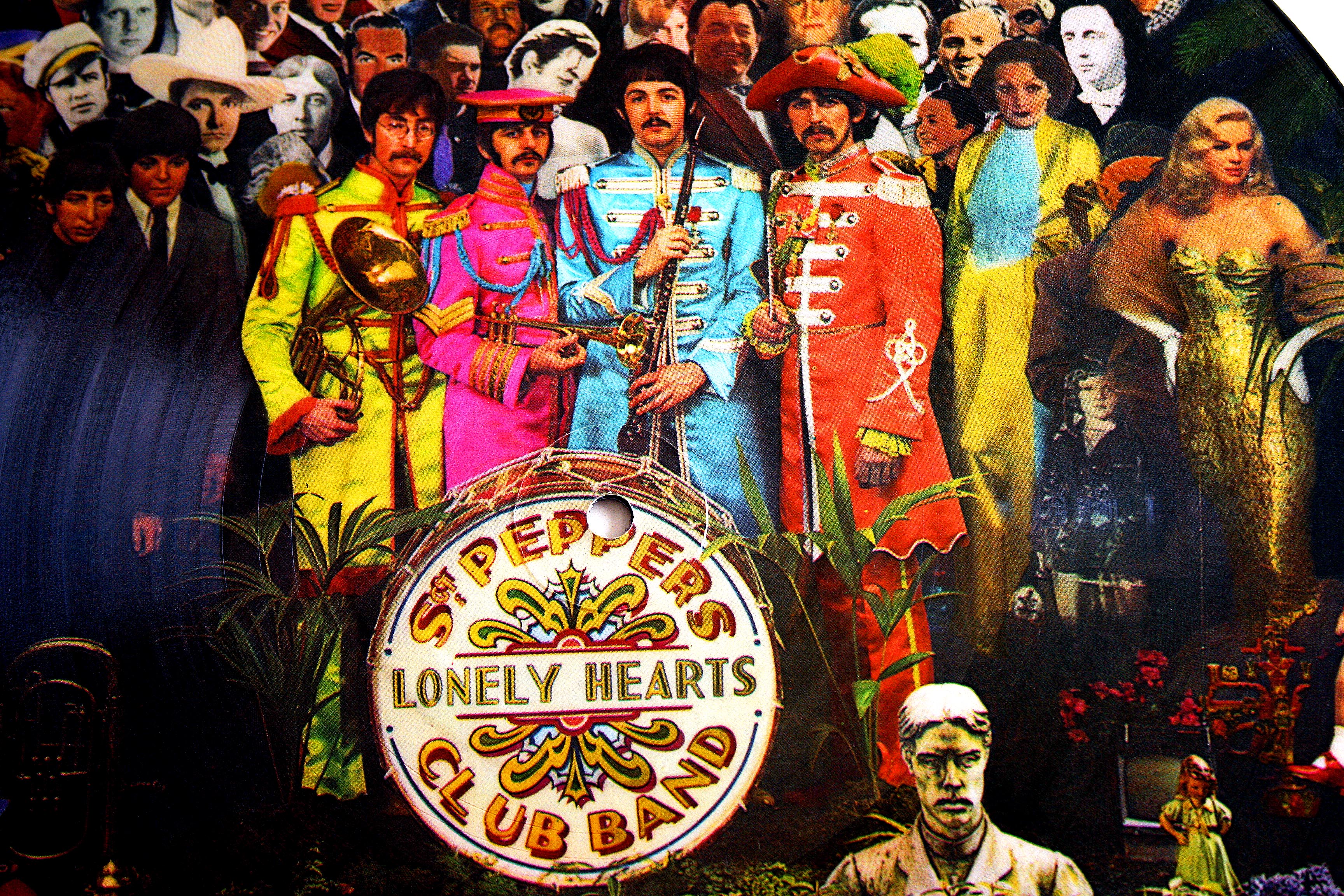
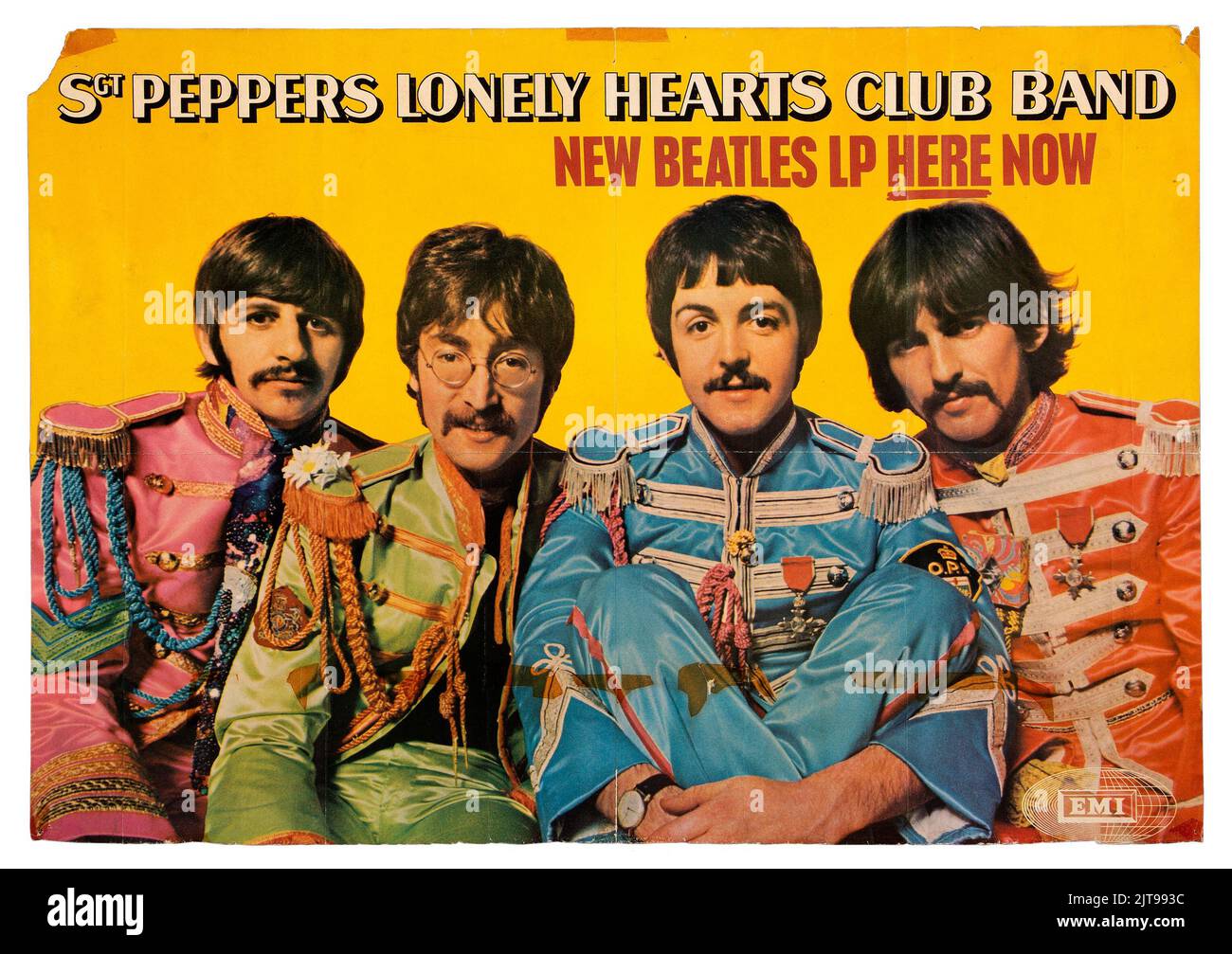
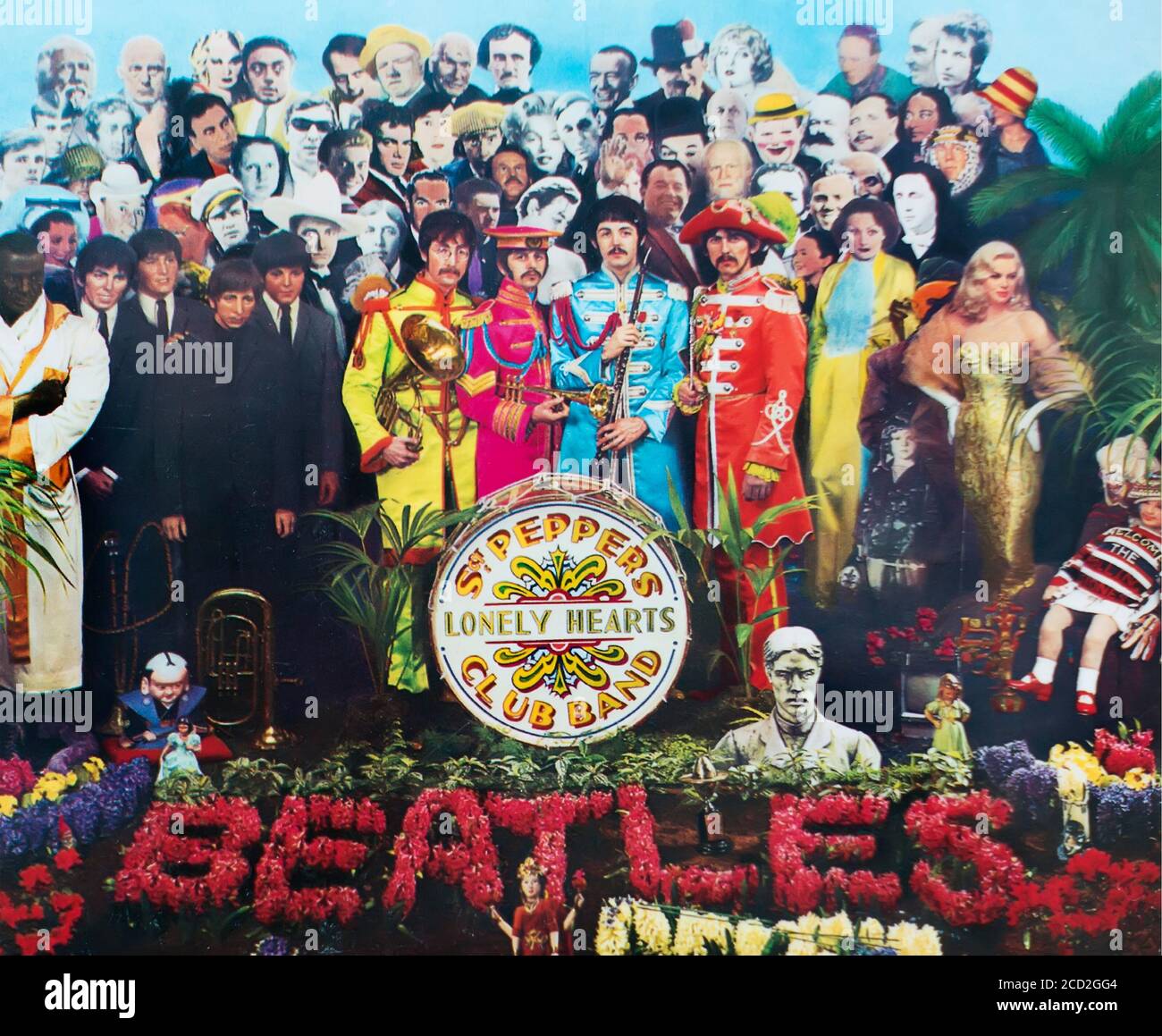
The visual presentation of Sgt Pepper's Lonely Hearts Club Band is as memorable as the music itself. The cover, designed by Peter Blake and Jann Haworth, features the Beatles in military uniforms surrounded by a vibrant collage of cultural icons, from writers and artists to historical figures and fellow musicians. This densely packed artwork turned the album into a statement, reflecting the band's engagement with the broader cultural landscape and their desire to position music within a wider artistic dialogue. The image instantly became iconic, symbolizing the creative possibilities of the 1960s counterculture.
Beyond its immediate commercial success, the album influenced countless artists across genres, inspiring ambitious, concept-driven works that treated records as cohesive artworks rather than disposable commodities. Its legacy can be heard in later masterpieces that embrace narrative depth and studio experimentation, proving that popular music could be both intellectually engaging and emotionally powerful. Even decades after its release, references to Sgt Pepper's Lonely Hearts Club Band appear in film, fashion, and visual art, underscoring its enduring resonance.

Key Themes and Lyrical Storytelling
The lyrics of Sgt Pepper's Lonely Hearts Club Band weave together themes of performance, identity, and the blurring between reality and illusion. Songs like "Sgt Pepper's Lonely Hearts Club Band" and "The Sergeant Says 'Thank You'" directly reference the fictional band concept, drawing listeners into the imagined scenario. Meanwhile, tracks such as "Lovely Rita" and "When I'm Sixty-Four" offer intimate vignettes that feel personal and nostalgic, balancing spectacle with everyday detail. This combination of grand concept and intimate storytelling gives the album a rich emotional texture.
By adopting alter egos, the Beatles were able to explore different facets of their artistry while commenting on the nature of fame and creativity. The album does not simply present a series of songs; it offers a journey through a imagined world where music, performance, and personal reflection intersect. Listeners become participants in this world, encouraged to interpret the characters and scenarios with their own experiences. This narrative openness is a key reason why Sgt Pepper's Lonely Hearts Club Band continues to invite fresh interpretations with each listen.
Enduring Legacy and Modern Relevance
Decades after its release, Sgt Pepper's Lonely Hearts Club Band remains a benchmark for ambitious, artistically driven music. Its influence extends far beyond the realm of rock, shaping production techniques, album design, and the very idea of what a recording can achieve. Contemporary artists frequently cite the album as a foundational inspiration, drawing from its willingness to take risks and blend genres. Streaming platforms and reissues continue to introduce the record to new generations, ensuring that its innovations remain part of the ongoing conversation about music and technology.
As listeners revisit the album, they discover new details in the orchestration, vocal arrangements, and lyrical nuances that may have gone unnoticed initially. This depth of craftsmanship explains why Sgt Pepper's Lonely Hearts Club Band still feels fresh and relevant, offering both nostalgia and a sense of discovery. It stands as a testament to the power of collaboration, imagination, and technical mastery, reminding us that great art can continually reveal itself in surprising ways.
Conclusion
Sgt Pepper's Lonely Hearts Club Band is more than a landmark in the Beatles' discography; it is a transformative work that expanded the possibilities of popular music. Its fusion of conceptual storytelling, studio experimentation, and cultural commentary created a template for ambitious artistry that continues to inspire creators around the world. The album's rich textures, inventive arrangements, and emotional depth ensure that it remains a living, evolving experience for listeners across generations. By embracing both playful imagination and serious artistic inquiry, the record captures a pivotal moment in musical history while remaining endlessly relevant.
Sgt. Pepper's Lonely Hearts Club Band (Remastered 2009)
Provided to YouTube by Universal Music Group Sgt. Pepper's Lonely Hearts Club Band (Remastered 2009) · The Beatles Sgt.
