Managing Director Of A Company
.webp)
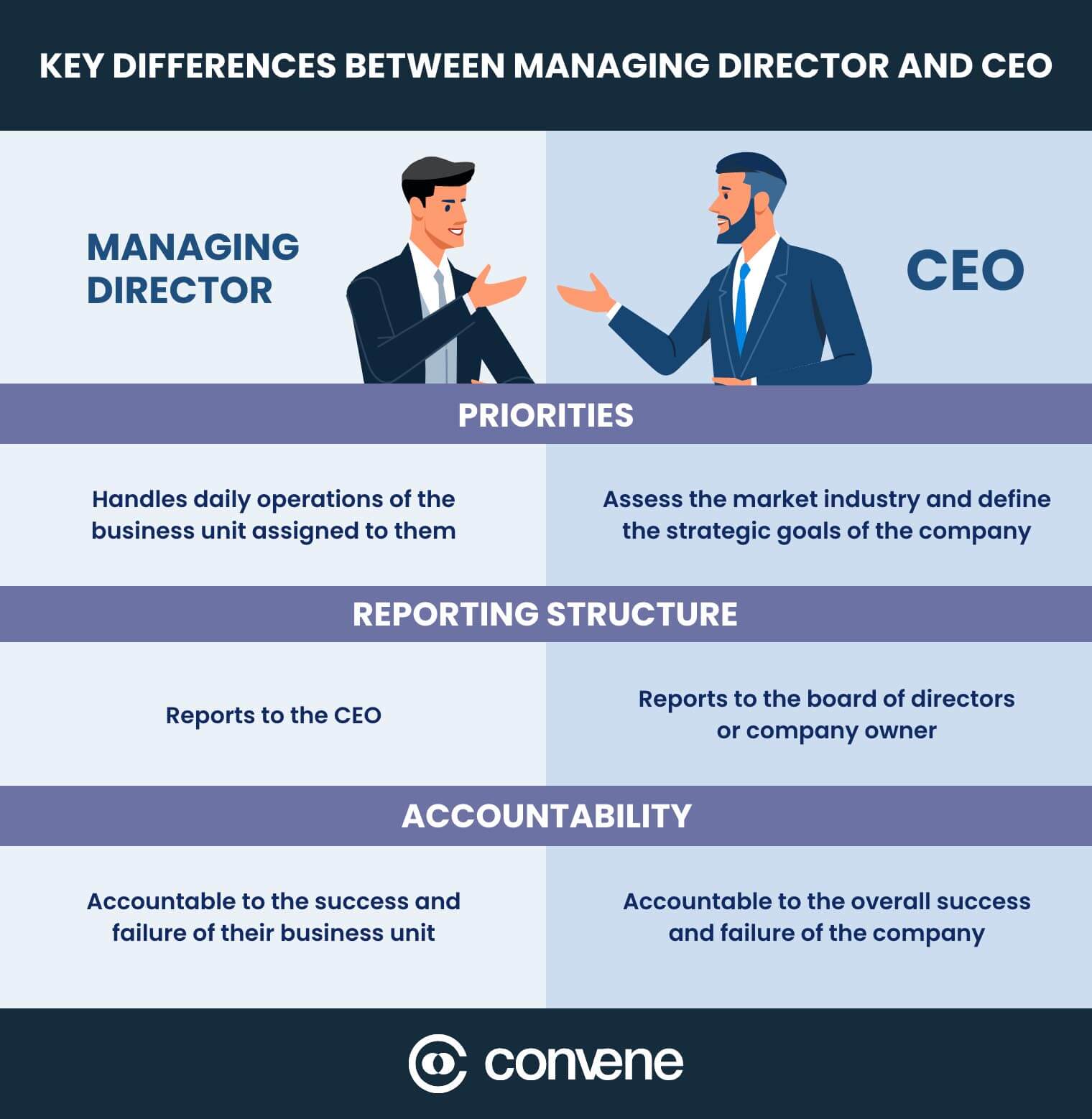
When people think about the managing director of a company, they often picture the person who sets the vision, steers strategy, and carries ultimate responsibility for results.
What a Managing Director Actually Does
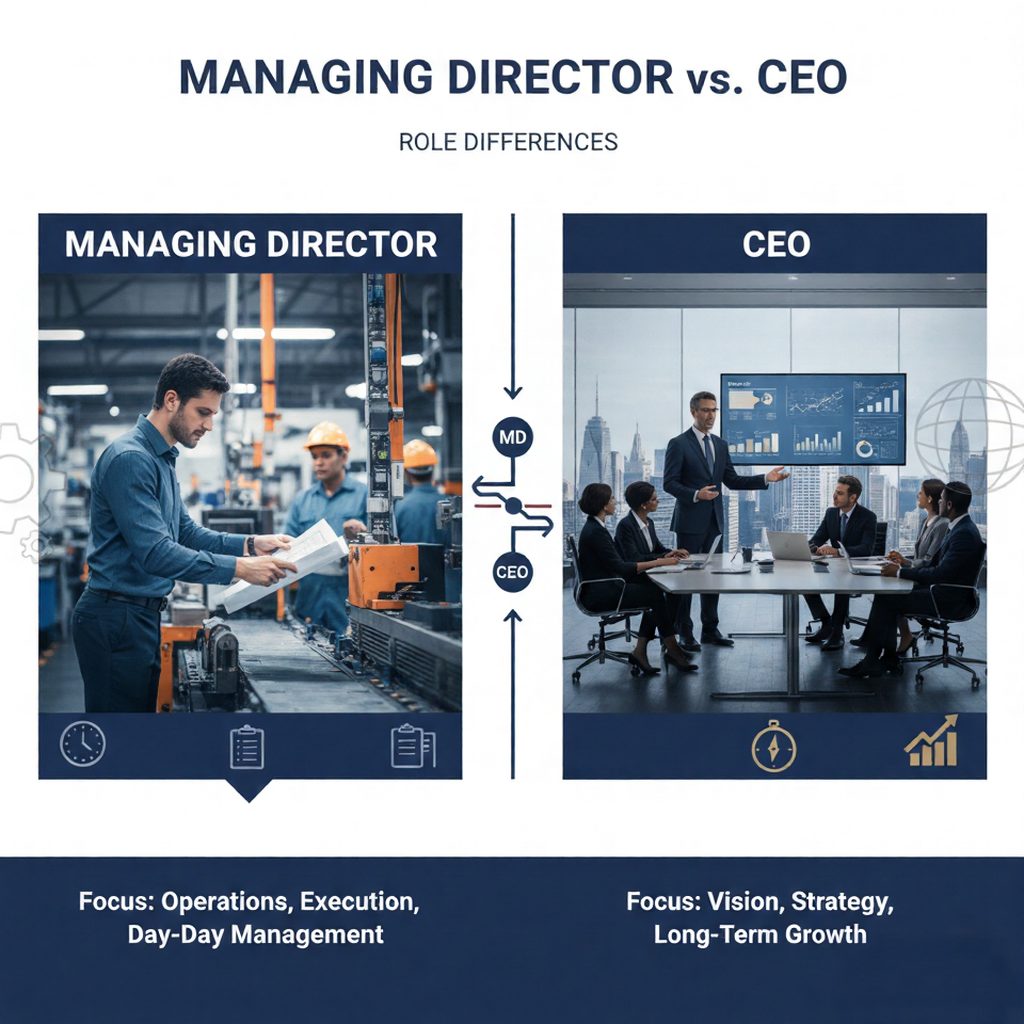
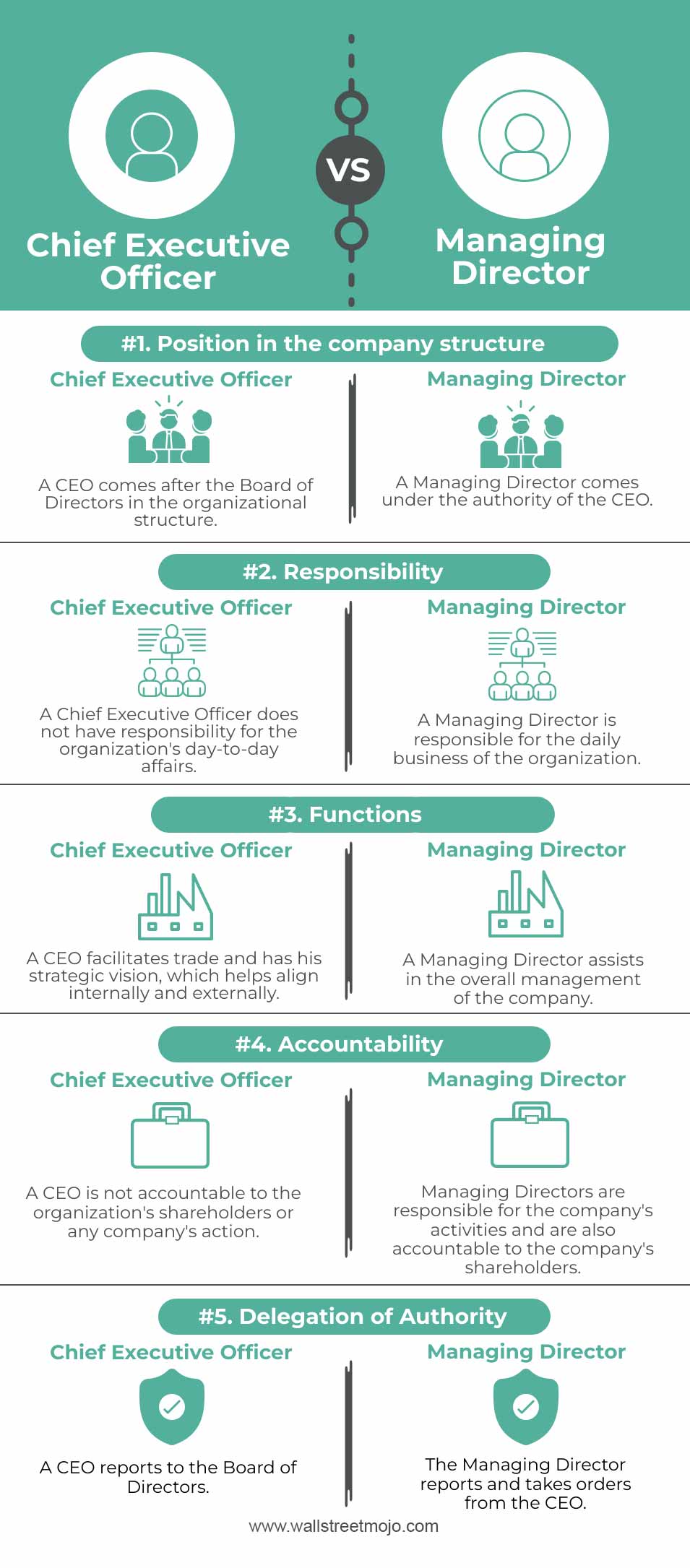
The role of a managing director sits at the top of the operational hierarchy, translating board-level intent into day-to-day reality. Unlike a purely ceremonial leader, this person is deeply involved in shaping priorities, allocating resources, and ensuring that the organization moves in the same direction.
In many organizations, the managing director is the public face of the business, representing the company to investors, regulators, partners, and the wider community. This dual focus on internal execution and external presence makes the position both strategic and operational.
Core Responsibilities and Decision Rights
At the heart of the job are decisions that affect the entire enterprise, from major investments and partnerships to culture, compliance, and risk management. The managing director typically has the authority to approve significant budgets, initiate restructuring, and respond quickly to market changes.
- Setting long-term strategic direction while aligning short-term goals.
- Overseeing financial performance, cash flow, and profitability.
- Building and leading senior leadership teams to scale the business.
These responsibilities require a balance of analytical rigor and judgment, especially when data is incomplete or timelines are tight. A strong managing director weighs options, consults experts, and then commits to a clear course of action.
Leadership Style and Team Dynamics
There is no single formula for success, but the most effective managing directors adapt their leadership style to the situation. Some moments call for decisive command, while others benefit from collaborative problem-solving and coaching.
High-performing leaders invest heavily in talent. They hire people who complement their weaknesses, create clear accountability, and foster an environment where feedback is direct yet respectful. By aligning incentives and removing roadblocks, they enable teams to deliver ambitious goals without burning out.
Navigating Complexity and Ambiguity
Modern businesses face constant change, from technological disruption to shifting customer expectations. The managing director must interpret these trends, decide which ones matter, and communicate the implications clearly across the organization.
Crisis management is another defining aspect. When markets tighten, customers churn, or operations falter, the leader’s steadiness becomes a anchor for employees and stakeholders. Decisions made under pressure can define trust and credibility for years.
Measuring Impact and Long-Term Value
Ultimately, the success of a managing director is judged by sustainable results, not just short-term wins. This includes healthy revenue growth, resilient margins, strong customer loyalty, and a motivated workforce that can adapt over time.
Many leaders track a balanced set of metrics, combining financial indicators with culture surveys, innovation pipelines, and operational reliability. By connecting daily actions to long-term outcomes, the managing director ensures that the company not only survives but thrives in the next chapter.
Conclusion
The role of a managing director of a company blends vision, execution, and human judgment in a way that few positions do. By aligning strategy with culture, empowering teams, and navigating uncertainty with clarity, this leader shapes the present and future of the entire organization.

The Difference between Managers and Directors (with former CEO)
With former CEO. The Difference between Managers and Directors. Subscribe to learn how you can get hired and advance your ...
