Campbell's Soup Cans Painting
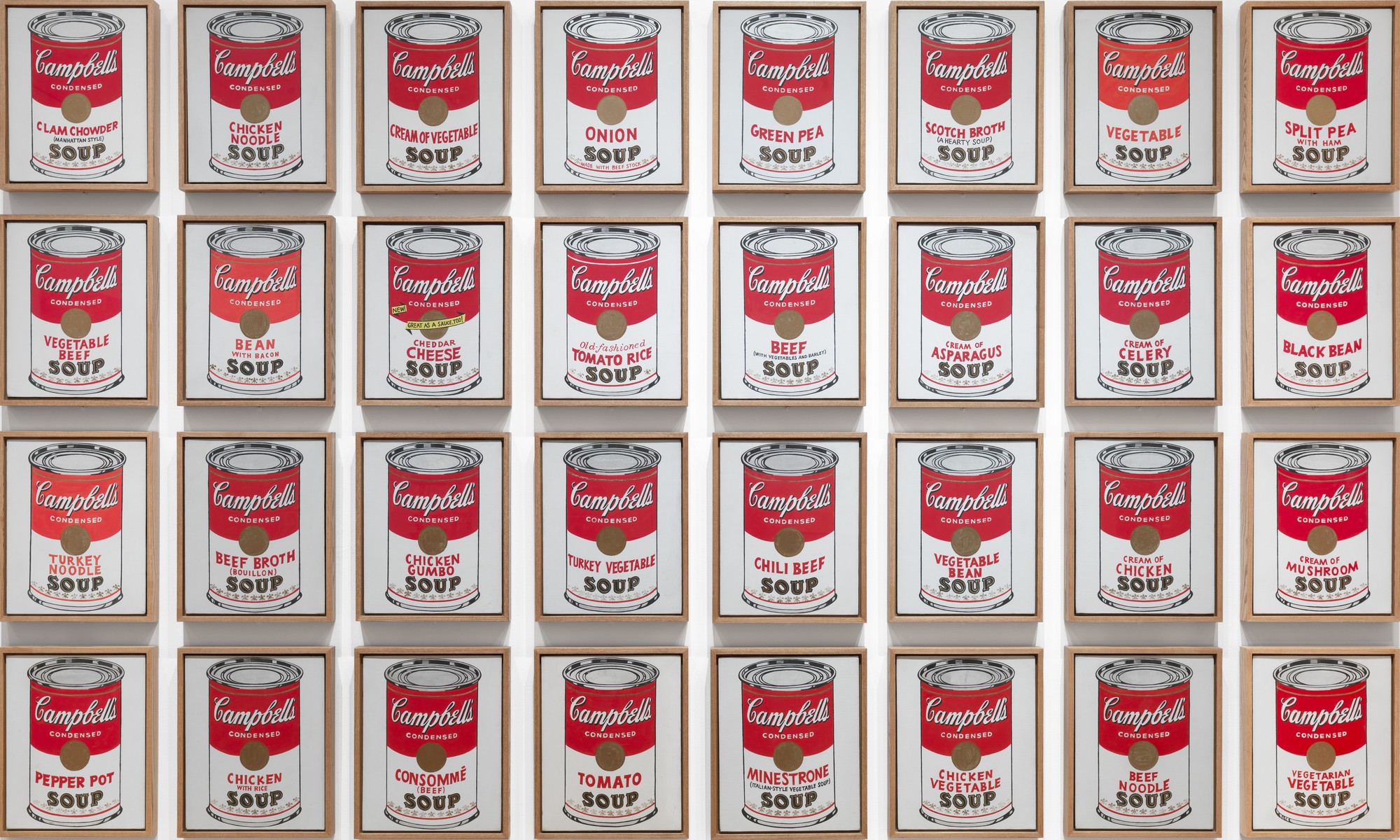
The iconic Campbell's soup cans painting instantly evokes a conversation about art, consumer culture, and the blurring line between everyday objects and fine art.
What Is the Campbell's Soup Cans Painting?
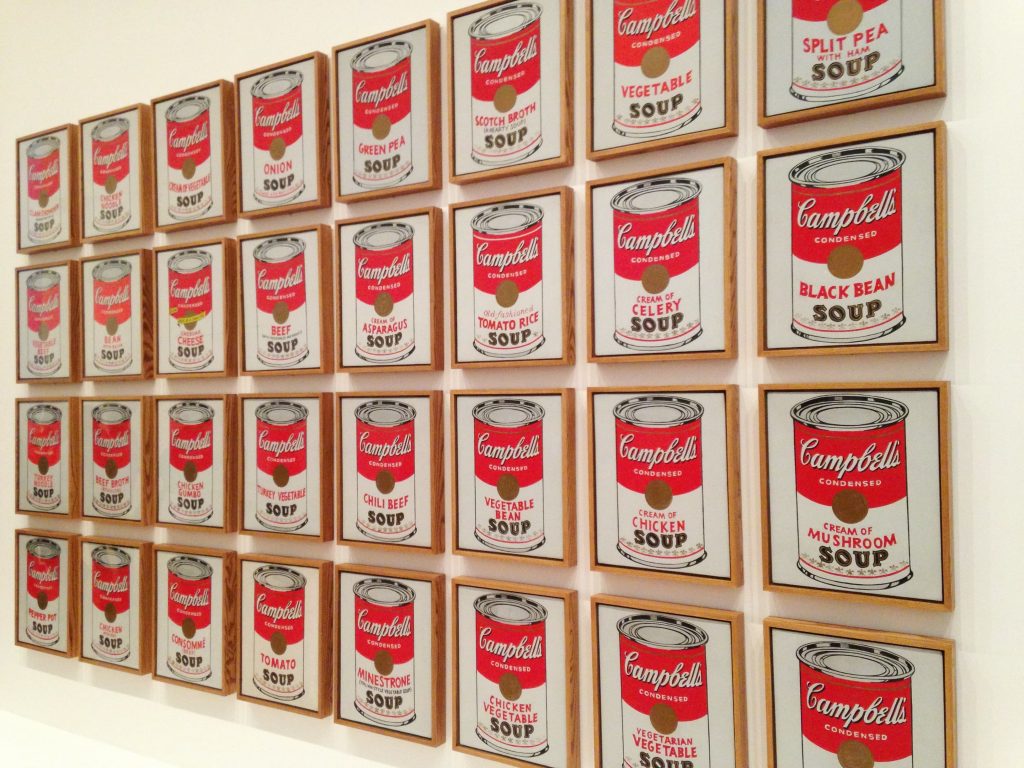
The Campbell's soup cans painting is a silkscreen work created by the American artist Andy Warhol in 1962, featuring a grid of thirty-two canvases, each painted to replicate a different flavor of Campbell's soup.
Instead of a single unified canvas, Warhol presented each can as an independent yet repeating unit, transforming a humble supermarket staple into a monumental study in repetition, variation, and mass production.
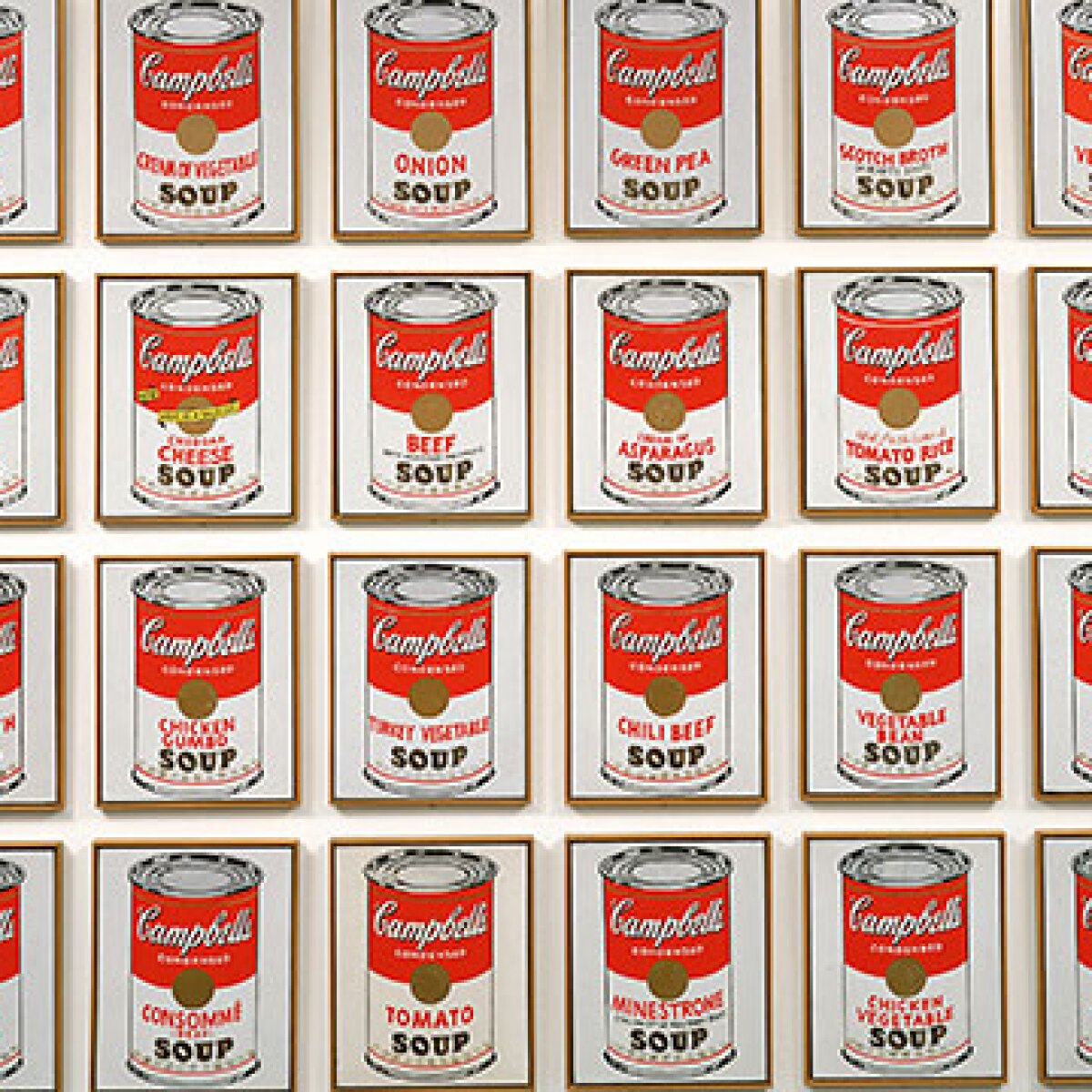
At first glance, the work appears almost mechanical, yet upon closer inspection, subtle shifts in color, label details, and surface texture reveal the human hand behind the seemingly cold process of screen printing.
The Historical Context Behind the Work
Emerging in the early 1960s, this painting arrived at a moment when post-war America was saturated with advertising, celebrity culture, and branded goods.
Warhol, working from his studio known as The Factory, deliberately chose imagery from mass media and consumer packaging, asking whether a soup label could carry the same weight as a religious icon or a classical portrait.
By elevating a product designed to be discarded after purchase, he challenged traditional hierarchies of subject matter and forced critics and viewers to reconsider what could be considered high art.
Symbolism and Interpretation
On one level, the Campbell's soup cans painting is a love letter to everyday American life, celebrating the reliability and familiarity of a product that crossed class and regional lines.
On another, it serves as a critique of consumerism, suggesting that identity and desire are increasingly shaped by the repetitive messages of advertising and branding.
Warhol himself offered ambiguous statements about the work, sometimes describing his affection for the soup and other times emphasizing the impersonal process of reproduction, leaving room for multiple readings.
Technical Process and Materials
Warhol used a silkscreen printing technique that allowed him to transfer photographic images onto canvas, which he then colored by hand, creating slight variations across the grid.
The choice of canvas, the precise registration of each silkscreen layer, and the handling of the paint all contributed to a surface that balanced mechanical precision with visible human intervention.
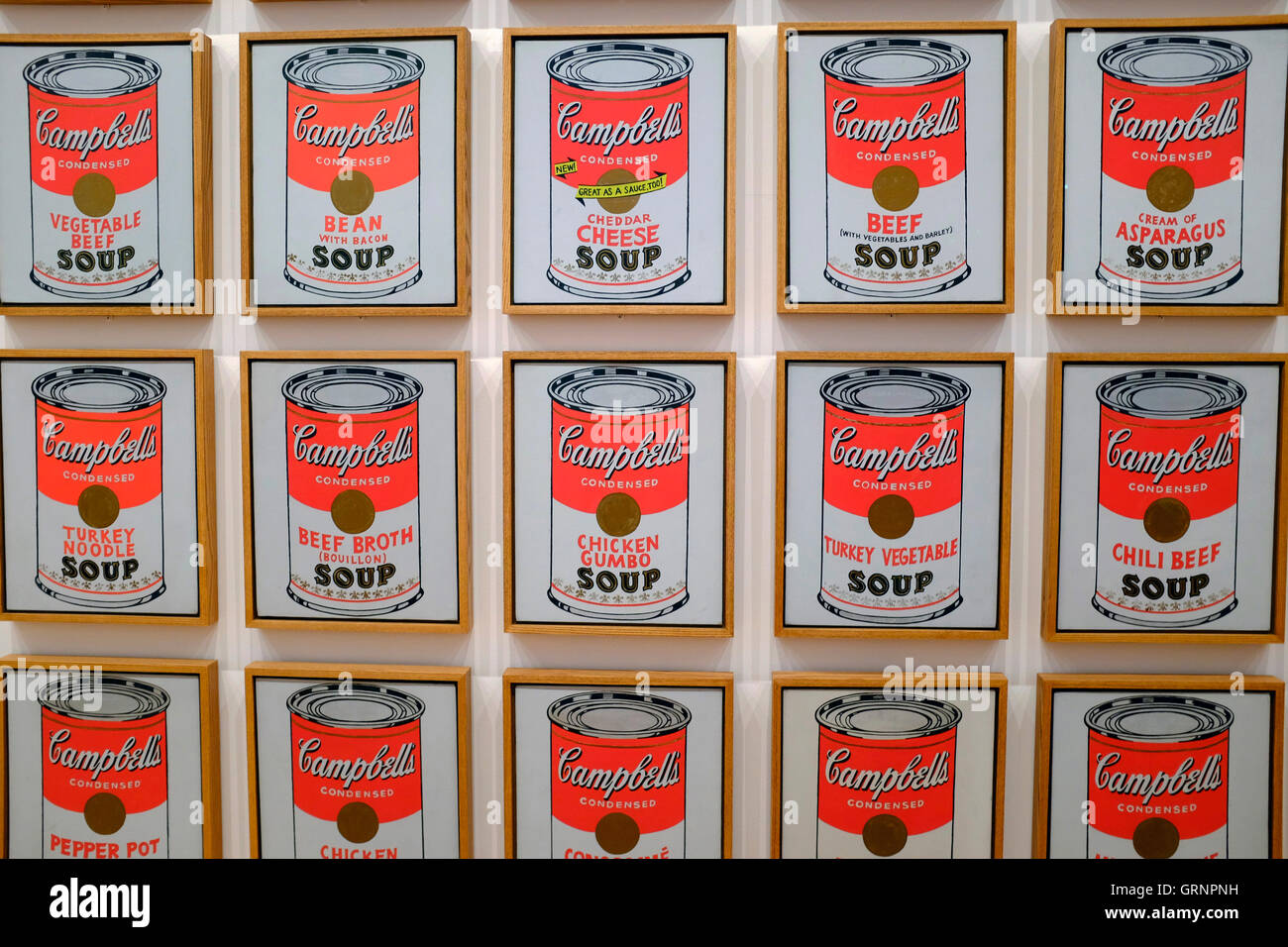
Over time, the colors have subtly shifted and the canvases have aged, adding a patina that records the history of the work's display, handling, and conservation.
Influence on Contemporary Art
The Campbell's soup cans painting opened the door for countless artists to treat brand imagery, product design, and mass media as legitimate raw materials for artistic production.
It paved the way for movements such as Pop Art, Neo-Pop, and postmodern appropriation, influencing figures like Roy Lichtenstein, Claes Oldenburg, and later generations of artists working with digital imagery.
Even outside the art world, the image has become a shorthand for discussions about commercialization, authenticity, and the power of repetition in visual culture.

Legacy and Public Reception
Today, the Campbell's soup cans painting is often cited as one of the most recognizable works of the twentieth century, frequently referenced in both academic and popular contexts.
While some critics initially dismissed it as cynical or empty, many later acknowledged its emotional depth, formal rigor, and prescient engagement with a world increasingly dominated by images and brands.
Major museums now treat the work as canonical, and its imagery continues to inspire artists, designers, and filmmakers who explore the intersection of commerce and creativity.
Conclusion
The Campbell's soup cans painting remains a powerful reminder that the most ordinary objects can carry extraordinary conceptual weight when placed within a new artistic framework.

By compressing variety and repetition into a single, visually accessible motif, Warhol invites us to look twice at the labels on our shelves and to question the stories they silently tell about desire, identity, and culture.
Andy Warhol Explained: Cambell's Soup Cans (1962)
Read the full article online: https://www.contemporaryartissue.com/andy-warhol-explained-campbells-soup-cans/ Monographic ...
